
The UMTC Engine Training Team continues to strengthen its commitment to global standards, industry collaboration, and skills development through three milestone activities that highlight its technical leadership and dedication to continuous improvement in the last quarter of 2025.
EN ISO Accreditation for Shielded Metal Arc Welding (SMAW) – 6G Position, Certified by Bureau Veritas
UMTC proudly announces the successful attainment of the EN ISO Accreditation for Shielded Metal Arc Welding (SMAW) in the 6G position, granted by Bureau Veritas. This achievement confirms UMTC’s compliance with international qualification standards and its readiness to deliver globally recognized welder training and assessment.
Understanding the Accreditation
- Manual
Metal Arc Welding – (Shielded Metal Arc Welding Process)
Uses a flux-coated electrode ideal for fieldwork and multi-pass welding, making it one of the most versatile and widely used welding methods globally. - H-L045
(6G) Position Testing
Involves welding a pipe fixed at a 45-degree incline, requiring welders to execute vertical, overhead, and horizontal welding across the pipe’s full circumference, considered one of the most challenging qualification tests. - EN
ISO Standard Compliance
Ensures international acceptance, quality assurance, and recognition across the EU, UK, Middle East, and Asian markets.
Journey Toward Accreditation
UMTC underwent a rigorous qualification process that included Test Preparation, Welding Execution, and Testing and Inspection by Bureau Veritas.
By meeting all required criteria, UMTC is now authorized to conduct 6G training and trade tests that is valid for 3 years, qualifying welders across multiple material groups, electrode types, plate positions, and various pipe diameters and thicknesses.
Impact on Welders and the Training Center
This accreditation is a milestone for both the training center and our welders, verifying their excellence, strengthening their employability, validating their global competence, and reinforcing UMTC’s commitment to upholding international quality standards.
This initiative was spearheaded by Romel Cabrera, Workshop Section Head, and guided by 2/E Vera Christine Dadula, Head of the Engine and Culinary Training Department. It was strongly supported by the Managing Director, Donald Bautista.
Lube Oil Management Training for Gothong Southern Shipping
UMTC’s dedication to industry development continued as the Engine Section Head 2/E Martinlee Dilema delivered Lube Oil Management Training last 7 November to the Engine Technical Team of Gothong Southern Shipping in Cebu. Gulf Oil Philippines initiated this collaborative training, the official lube distributor of the shipping line.
This initiative forms part of Gulf Oil’s commitment to helping shipping operators maximize lube oil use while equipping their crew with essential knowledge and practices. Recognizing UMTC’s technical authority, Gulf Oil invited the center to deliver the training, reflecting a shared mission to elevate maritime excellence.
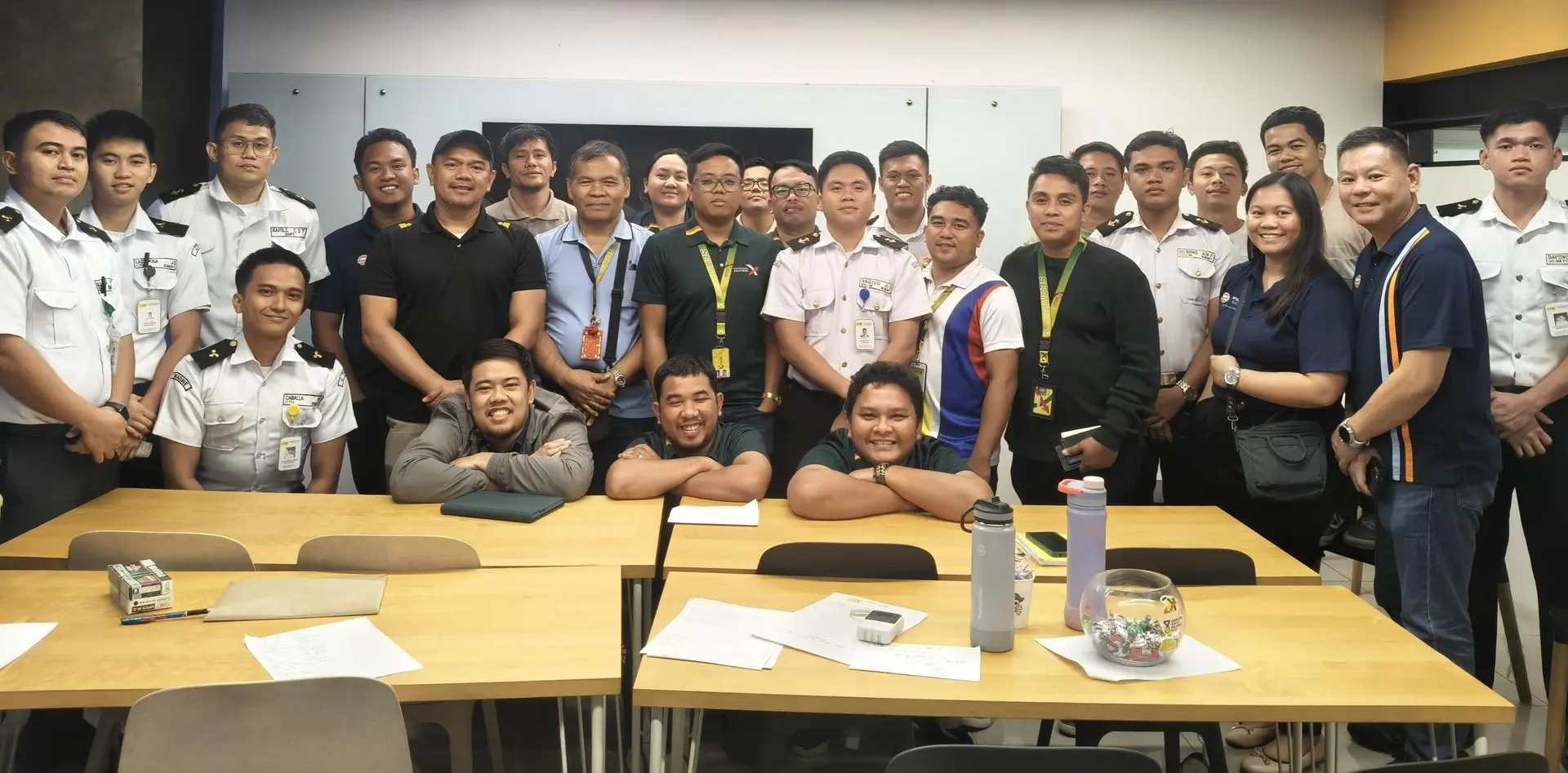
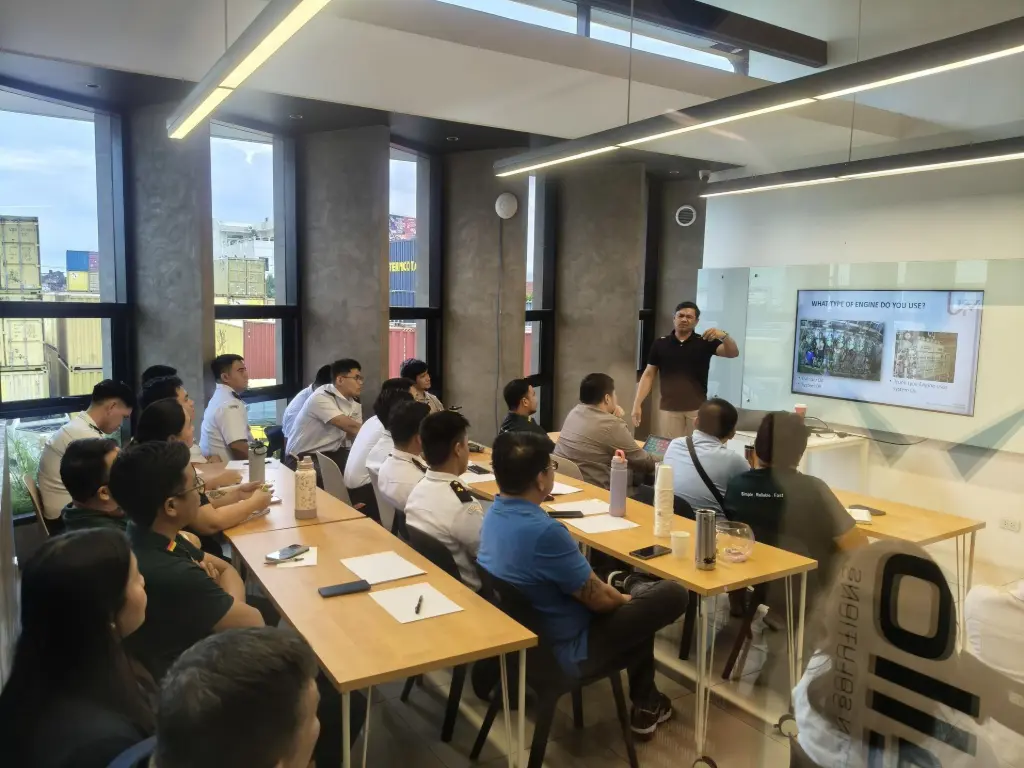
During the session, UMTC highlighted:
- The importance of Lube Oil Analysis
- Strategies to optimize consumption and reduce wastage
- Best practices in proper operation, monitoring, and assessment
- Preventive approaches to mitigate machinery and auxiliary system challenges
- Support for UMTC’s sustainability mission through reduced oil consumption and more efficient onboard practices
This training underscores UMTC’s expanding role as a trusted partner in technical capability-building across the maritime industry.
Training Lead for IGF Training in Yokosuka, Japan
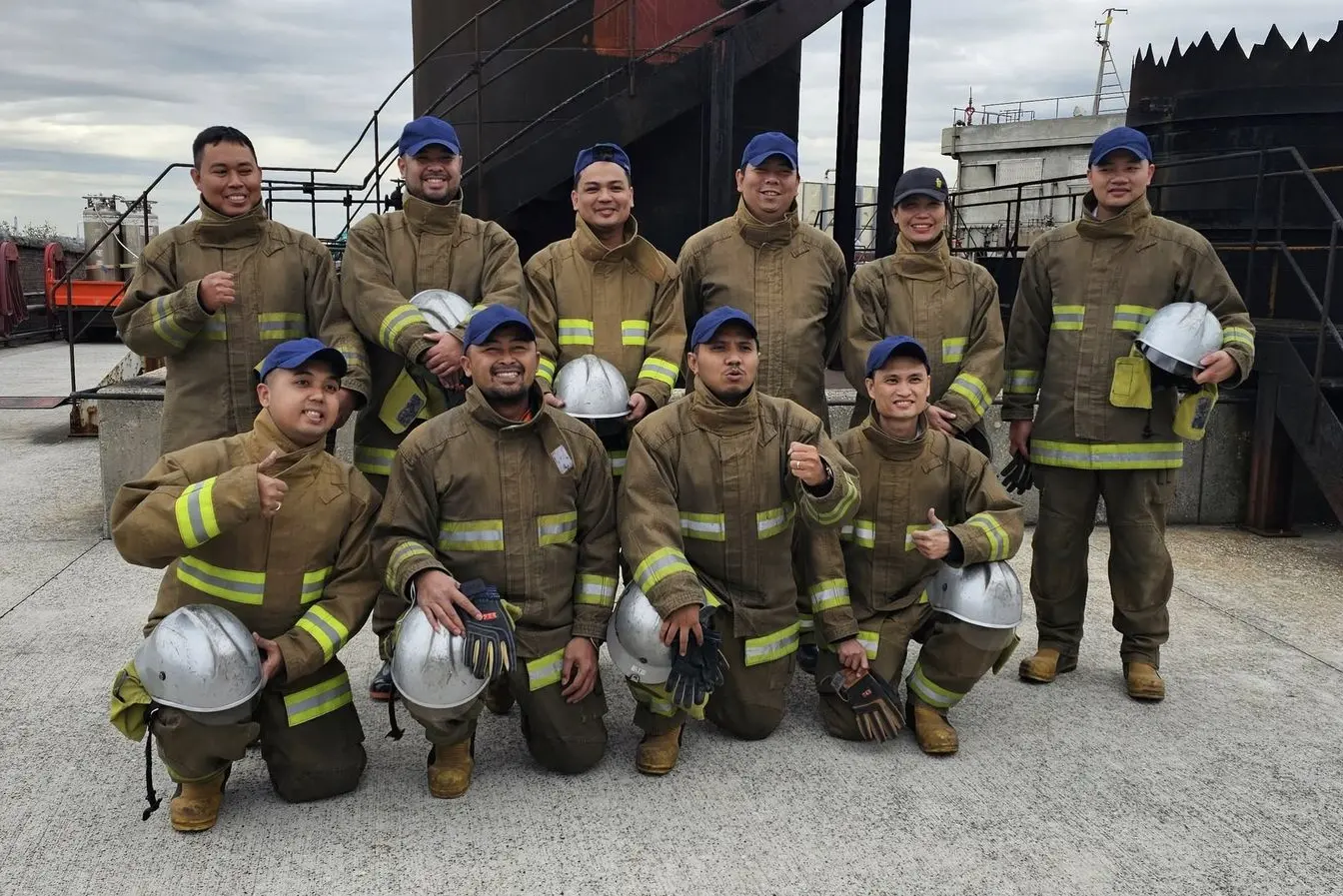
Further strengthening UMTC’s leadership in sustainable maritime education, the Engine and Culinary Training Head, 2/E Vera Christine Dadula, was selected by MARINA to participate as one of the Maritime Instructors across the nation in the IGF Training hosted by Japan Ministry of Land, Infrastructure, Transport, and Tourism last 10-11 November.
The training, attended by ASEAN Country representatives, focused on advanced competencies and best practices for handling alternative fuels and efficient maritime operations.
Being selected at the national level is a significant honor for the entire training center, showcasing our technical credibility and instructional excellence. This recognition positions UMTC as a frontrunner committed to sustainability initiatives and advanced training. It also empowers UMTC to integrate global insights, international standards, and emerging technologies into our programs, ensuring our seafarers are equipped to lead in the era of cleaner fuels and safer engine-room practices.
Successful Pilot Run of IGF Code Training in Partnership with Green Marine
Before the year ends, UMTC and Green Marine achieved another milestone with the successful pilot run of both Basic and Advanced IGF Code Training designed for seafarers operating ships using gases or other low-flashpoint fuels.
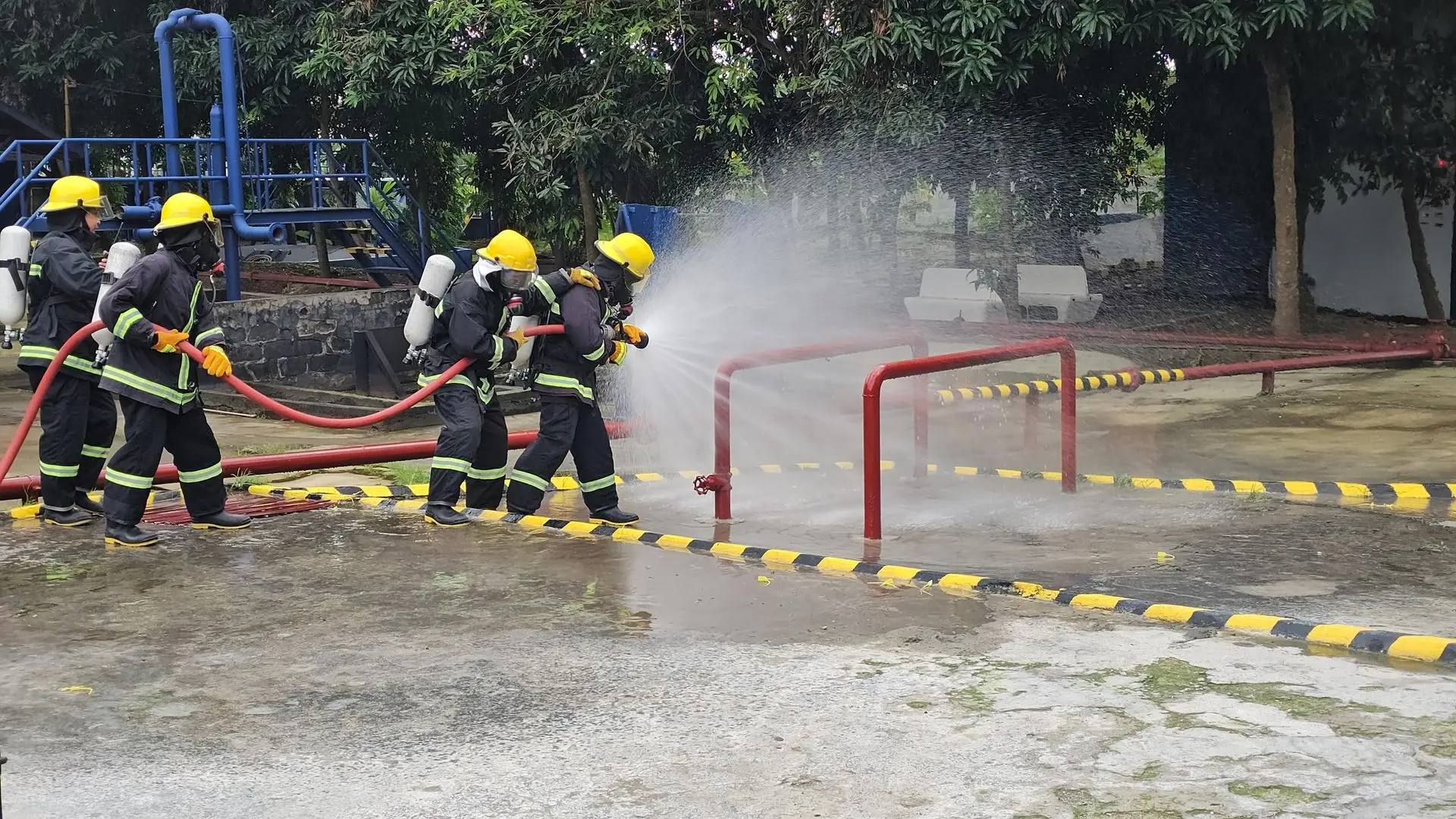
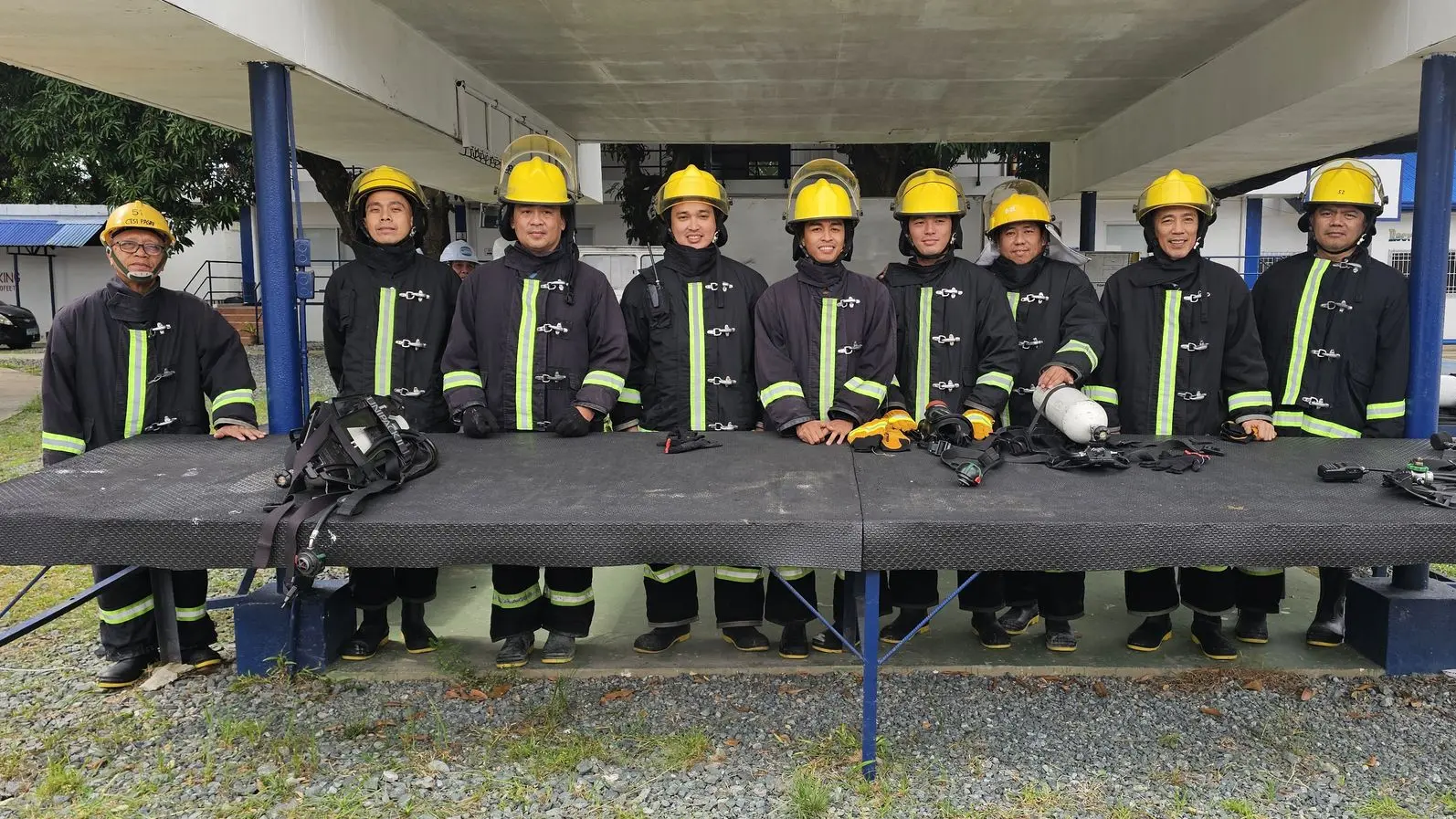
Basic IGF Training
Aligned with global sustainability trends and the maritime industry's shift toward cleaner and safer energy, the Basic IGF Code equips participants with essential knowledge and practical competencies, including:
- Understanding the IGF Code framework and safety requirements
- Safe operation of low-flashpoint fuel systems
- Hazard identification and risk management techniques
- Emergency preparedness and response procedures
- Practical insights into fuel storage, handling, and onboard monitoring
- Compliance with international regulations governing gas-fueled vessels
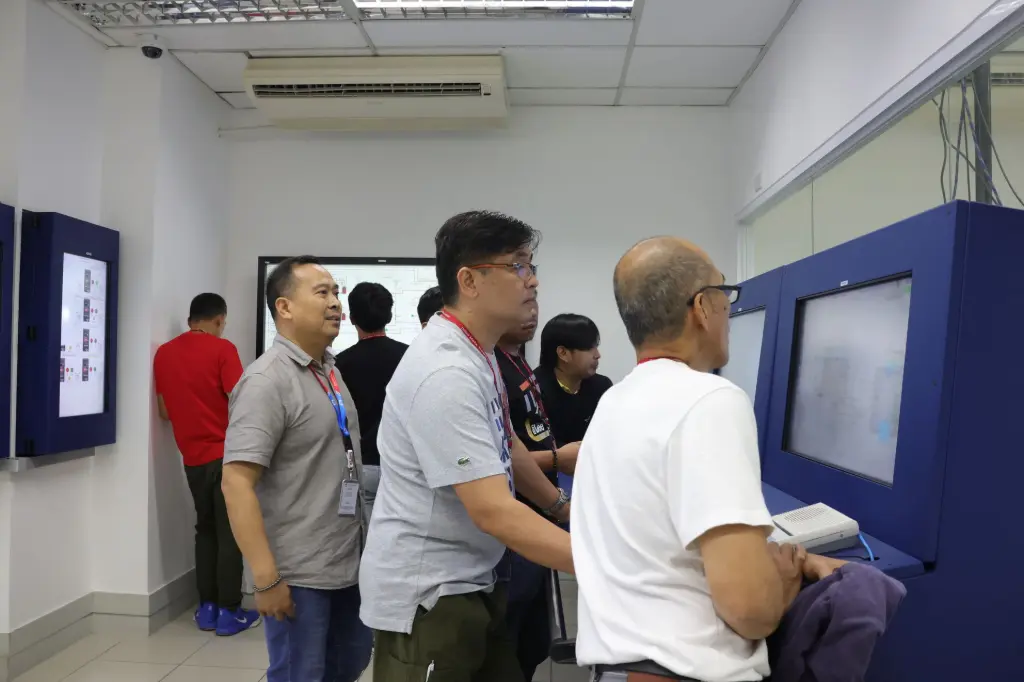
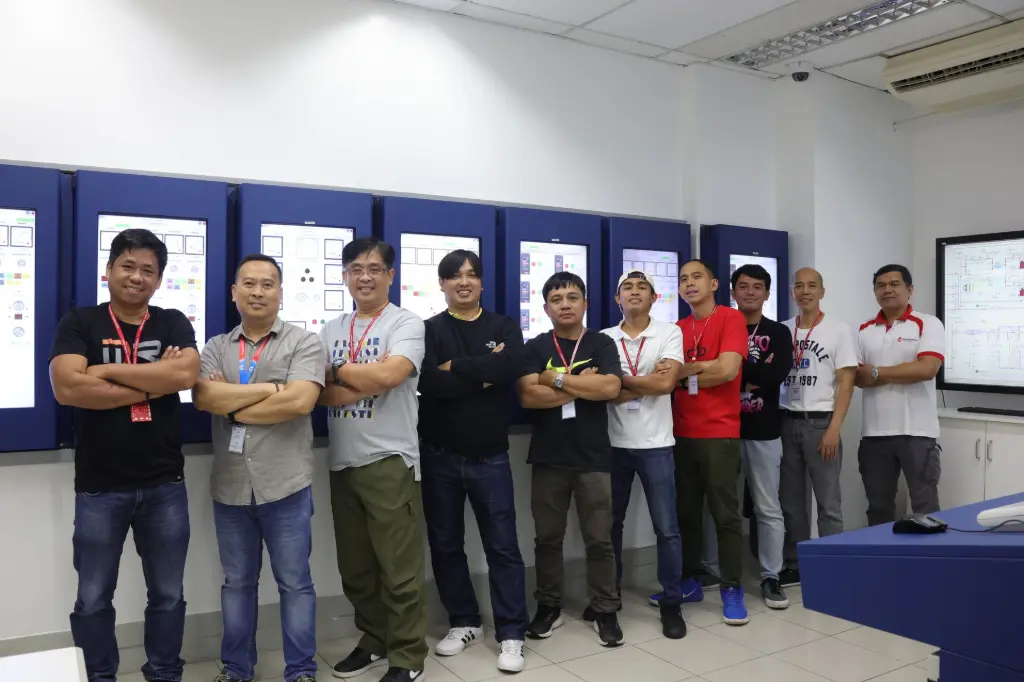
Advanced IGF Training
This collaboration with Green Marine further reinforces UMTC’s commitment to supporting the maritime transition toward greener technologies and safer fuel practices.
Fueling Progress, Shaping the Future
Across global accreditation, industry-wide training, and forward-looking partnerships, UMTC’s Engine Department continues to set the standard for excellence. These achievements reflect not only technical capability but also a deeper purpose: to elevate skills, empower seafarers, and support the maritime industry’s evolution.
As we push boundaries, embrace innovation, and expand our impact, one thing remains constant- our unwavering commitment to shaping a safer, brighter, and more sustainable future for maritime professionals.
Together, we’re not just keeping engines running. We’re moving industry forward.